Reviews
10 Best Temperature Sensors For 2024
Published: February 22, 2024
Discover the top 10 temperature sensors for 2024. Find the best products for accurate temperature monitoring and control. Choose from a variety of options to suit your needs.
(Many of the links in this article redirect to a specific reviewed product. Your purchase of these products through affiliate links helps to generate commission for Temperatures.com, at no extra cost. Learn more)
Are you looking for the best temperature sensors for the year 2024? Look no further! In this article, we will explore the 10 top temperature sensors that are perfect for measuring and monitoring temperature in various applications. Whether you are a student conducting a science experiment or a professional in need of accurate temperature readings, these sensors are sure to meet your needs. Read on to discover the best options available in the market for 2024.
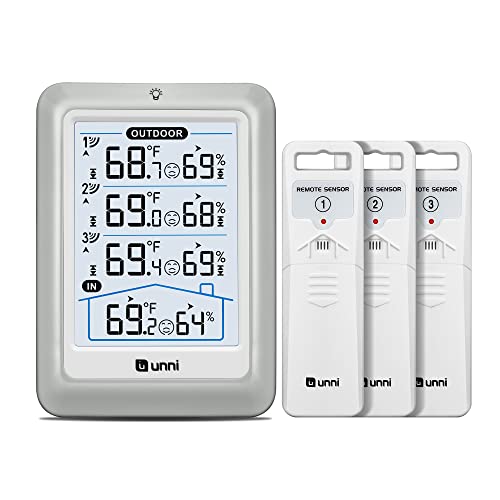

Overall Score: 9/10
The Indoor Outdoor Thermometer Wireless is a high-accuracy temperature humidity gauge with a 4.5 inch display. It provides extremely accurate indoor and outdoor temperature and humidity readings, with a transmission range of 330ft. The display can show data from 3 sensors at once, and comes with features like comfort indicator, MAX/MIN data, and adjustable backlight. The product is powered by USB and batteries, with a tabletop or wall-mountable design. It's also backed by a one-year warranty. With excellent customer ratings and reviews, this product offers accuracy, versatility, and strong customer support.
Key Features
- High-accuracy temperature humidity gauge with a 4.5 inch display
- Transmits temperature and humidity data up to 330ft radius every 30 seconds
- Adjustable backlight with 3 brightness levels
- Displays 3 sensors data at once with comfort indicator, MAX/MIN data
Specifications
- N/A
Pros
- Extremely accurate temperature and humidity readings
- Can display data from 3 sensors at once
- Adjustable backlight for easy reading
- Wonderful customer support
Cons
- Instruction manual could be written better
- Humidity readings may slightly differ between sensors
The Indoor Outdoor Thermometer Wireless offers impressive accuracy, versatility, and strong customer support. It’s a valuable addition to any home, providing real-time temperature and humidity data for both indoor and outdoor locations. With its advanced features and excellent customer ratings, it’s a reliable choice for anyone looking for a high-quality temperature monitor.
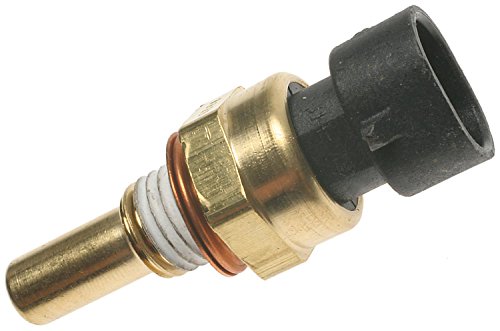
Overall Score: 9/10
The ACDelco Professional 213-4514 Engine Coolant Temperature Sensor is a premium aftermarket replacement designed to provide the performance and dependability expected from ACDelco products. Manufactured to meet expectations for fit, form, and function, this temperature sensor is an easy and quick fix for temperature gauge and fan issues. With high customer satisfaction ratings and positive reviews highlighting its effectiveness, ease of installation, and great value for the price, this temperature sensor is a reliable solution to engine cooling problems.
Key Features
- Professional, premium aftermarket replacement
- Provides the performance and dependability you expect from ACDelco
- Manufactured to meet expectations for fit, form, and function
Specifications
- Dimension: 3.60Lx2.20Wx1.70H
Pros
- Solves temperature gauge and fan issues
- Easy and quick to replace
- Great value for the price
- Shipping time was fast
Cons
- Lack of white thread sealer in some units
- Pressure release during replacement can cause a mess
The ACDelco Professional 213-4514 Engine Coolant Temperature Sensor is a highly recommended solution for temperature gauge and fan issues in various vehicle models. With its easy installation, great value for the price, and positive customer reviews, this temperature sensor provides a dependable fix for engine cooling problems.
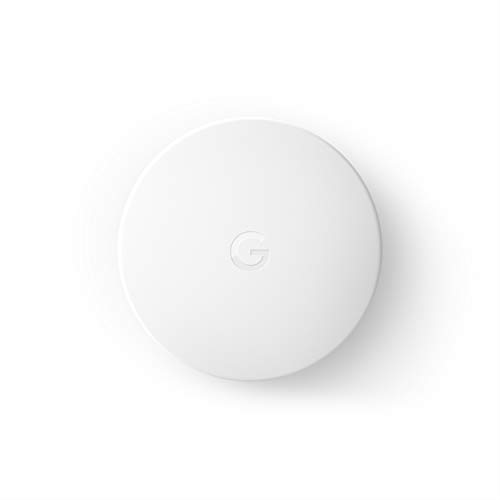
Overall Score: 9/10
The Google Nest Temperature Sensor is a smart home device that works with compatible Nest thermostats to control when the system turns on or off to keep specific rooms at the desired temperature. It's easy to set up and runs on batteries, with long battery life. You can conveniently control it using the Nest app, and it allows you to prioritize specific rooms and utilize scheduling. The sleek white design blends into any home, and you can add multiple sensors to cover different areas. The Google Nest Temperature Sensor is a game-changer for optimizing your smart home's climate control.
Key Features
- Works with compatible Nest thermostats: True
- Wireless connectivity: True
- Long battery life: True
- Easy setup: True
- Add multiple sensors: True
Specifications
- Color: White
- Dimension: 1.90Lx0.80Wx1.90H
- Size: 1 Pack
Pros
- Works with compatible Nest thermostats
- Long battery life
- Add up to 6 sensors per thermostat
- Sleek design
- Convenient temperature control
Cons
- Limited scheduling options
- Some syncing challenges
The Google Nest Temperature Sensor is a valuable addition for anyone looking to optimize their smart home’s climate control. Despite some minor hiccups, it offers convenience, precision, and personalized comfort. With its ease of use, sleek design, and seamless integration with Nest thermostats, this sensor is a game-changer. Overall, it enhances the efficiency and comfort of any home’s heating and cooling, making it a great investment for smart home enthusiasts.
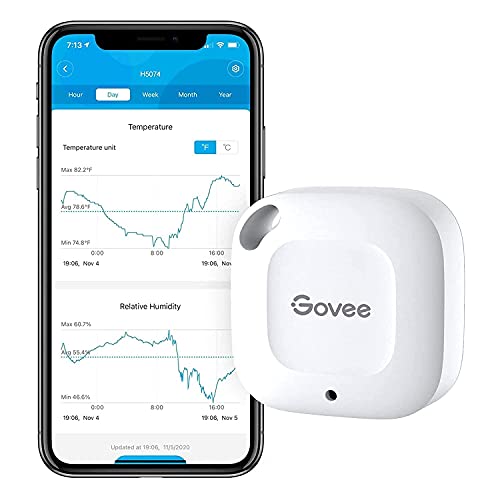
Overall Score: 9/10
The Govee Bluetooth Hygrometer Thermometer is a smart temperature and humidity sensor that allows real-time monitoring through a user-friendly app. With an impressive 262ft connecting distance, it offers accurate data, 20-day on-board data storage, and prompt alert notifications. Its mini compact size and portability make it suitable for various locations, and its precision and alarm thresholds ensure optimal conditions. The app provides historical tracking, alarm settings, and a user-friendly interface, though some users find it bloated with unnecessary features. Despite the app's shortcomings, the Govee Smart Thermo-Hygrometer proves to be an essential tool for monitoring humidity in various spaces such as humidors, enclosures, and even chicken coops.
Key Features
- Smart App Control with 262ft connecting distance
- Built-in Swiss-made sensor for accuracy
- 20-day on-board data storage
- Mini compact size and portability
- Prompt alert notifications for temperature and humidity ranges
Specifications
- Color: White
- Dimension: 1.56Lx1.56Wx0.67H
- Size: 1 Pack
Pros
- Smart and accurate monitoring
- Compact and portable design
- Immediate startup and accurate readings
- No user account required for setup
- Effortless Bluetooth connection
Cons
- Bulky and bloated app interface
- Language barrier in customer support
- Periodic need to update app for data retrieval
- Limited data update in the background
The Govee Bluetooth Hygrometer Thermometer is a smart, compact, and accurate device for monitoring temperature and humidity. While the app may have its pitfalls, the essential features, precision, and historical data tracking make it a valuable tool for maintaining optimal conditions in various environments.
Overall Score: 9/10
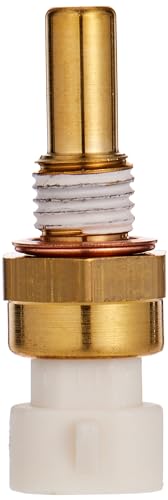
The ACDelco GM Original Equipment Engine Coolant Temperature Sensor is a GM-recommended replacement part for GM vehicles. It offers quality, reliability, and durability, manufactured to GM OE specifications for fit, form, and function. Designed to resolve common issues with engine fans running at max speed and cooling temperature being abnormal. Easy to install, this sensor efficiently restores normal functioning, making it a problem-solving OEM part for Chevrolet engines.
Key Features
- GM-recommended replacement part
- Quality, reliability, and durability of GM OE
- Manufactured to GM OE specification
Specifications
- Color: Multi
- Dimension: 2.70Lx1.60Wx0.80H
Pros
- Efficiently resolves common engine issues
- Easy to install
- Restores normal engine functioning
Cons
- Poor photo representation on Amazon
The ACDelco GM Original Equipment Engine Coolant Temperature Sensor is an effective and reliable replacement part that quickly resolves common engine issues experienced by GM vehicles. With easy installation and efficient functionality, it provides a hassle-free solution for Chevrolet engine problems.
Overall Score: 8/10
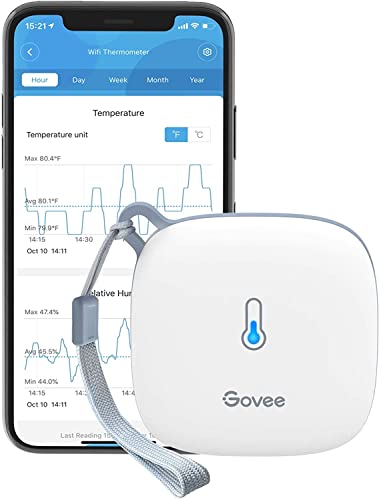
The Govee WiFi Thermometer Hygrometer H5179 is a smart sensor that provides real-time temperature and humidity data. With WiFi and Bluetooth connection, the Govee Home app allows remote monitoring and alerts for temperature changes. It supports online data storage and export, with easy placement and accurate readings of temperature and humidity. It's suitable for use in areas such as basements, greenhouses, wine cellars, and incubators.
Key Features
- Smart Wi Fi Control: Monitor temp and humidity from anywhere
- Fast & Accurate: Temperature accurate to ±0.54℉/±0.3℃
- Alert Function: Receive app alert for temp and humidity changes
- Free Data Storage & Export: Online storage and export up to 2 years' data
- Easy to Place: Convenient placement with lanyard loop
Specifications
- Color: White
- Dimension: 2.83Lx2.83Wx0.94H
Pros
- Accurate and fast readings
- Easy to use and set up
- Convenient remote monitoring
Cons
- Randomly drops Wi Fi connection
The Govee WiFi Thermometer Hygrometer H5179 provides accurate and fast temperature readings with convenient remote monitoring. It is easy to use and set up, with online data storage and export capabilities. Although it may experience occasional WiFi connection issues, its functionality and features make it a valuable tool for monitoring temperature and humidity in various environments.
Overall Score: 6/10
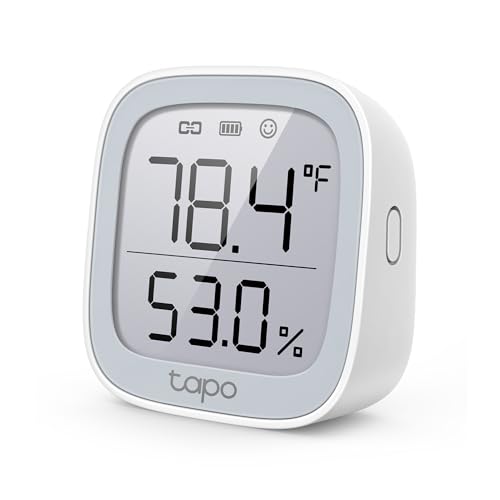
The TP-Link Tapo Smart Temperature and Humidity Monitor is a Swiss-made sensor device that provides real-time and accurate temperature and humidity monitoring. It features a 2.7-inch E-ink display, long-lasting performance, and real-time notifications. The device requires the Tapo hub and a 2.4 GHz Wi-Fi network connection to function. It offers free data storage and visual graphics, along with a battery life of up to 2 years. The monitor is designed for easy installation and connection to your home network. However, some users have reported issues with accuracy and customer support.
Key Features
- REQUIRES Tapo Hub
- 2.7' E-ink Display
- Real-Time & Accurate Monitoring
- Free Data Storage & Visual Graphics
- Long-Lasting Performance
Specifications
- Color: White
- Dimension: 2.53Lx0.98Wx2.53H
Pros
- Real-Time & Accurate Monitoring
- Long-Lasting Performance
- Free Data Storage & Visual Graphics
Cons
- Issues with accuracy
- Poor customer support
The TP-Link Tapo Smart Temperature and Humidity Monitor offers reliable monitoring and ease of use for managing environmental conditions. However, potential accuracy issues and customer support concerns should be considered before making a purchase.
Overall Score: 8/10
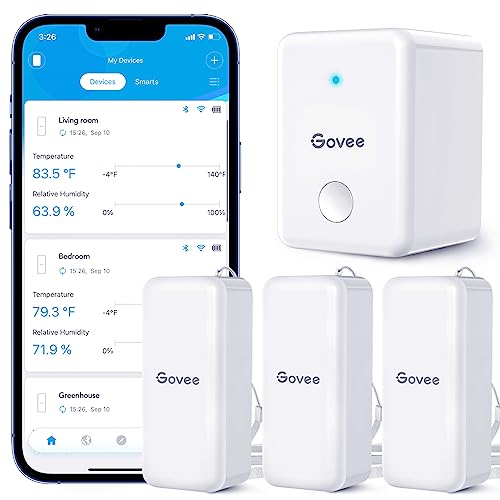
The Govee WiFi Hygrometer Thermometer Sensor 3 Pack is a powerful tool for monitoring temperature and humidity. With Swiss-made sensors and a versatile range, these sensors provide accurate readings. The smart sensor can alert you via the Govee APP when readings exceed set ranges. The product also boasts free data storage of 2 years. You can remotely monitor temperature and humidity and easily export data. The small design allows for easy placement in various locations. However, there are some issues with battery replacement and wall mounts. Overall, this is a reliable and easy-to-use monitoring system for both indoor and outdoor use.
Key Features
- Smart Wi Fi Temperature Sensor
- Versatile and Accurate
- Alert Function
- Free Data Storage
- Easy to Place
Specifications
- Color: White
Pros
- Accurate sensor readings
- Remote monitoring capabilities
- Small design for easy placement
- Free data storage for 2 years
- Easy setup and installation
Cons
- Issues with battery replacement
- Lack of wall mount brackets
The Govee WiFi Hygrometer Thermometer Sensor 3 Pack is a reliable monitoring solution with useful features such as remote monitoring, accurate sensors, and a smart alert function. Despite some minor issues, this product is highly recommended for those who need to monitor temperature and humidity in various indoor and outdoor environments.
Overall Score: 8/10
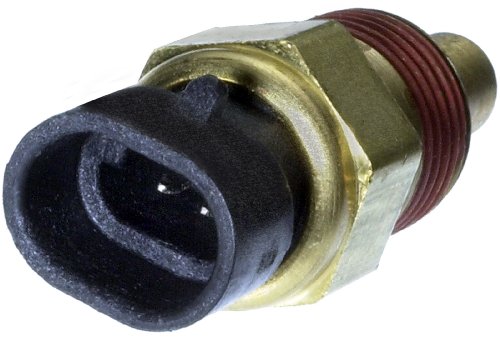
The ACDelco GM Original Equipment 213-928 Multi-Purpose Temperature Sensor is designed to help keep the engine operating at the proper temperature. It sends accurate temperature readings to the gauge and is a GM-recommended replacement part for your GM vehicle’s original factory component, offering the quality, reliability, and durability of GM OE. Manufactured to GM OE specifications for fit, form, and function, this sensor has dimensions of 2.80Lx1.20Wx0.80H. Customers have rated it 4.6 out of 5 stars, with many users expressing satisfaction with the product's performance. Although there have been a few complaints about defects, the majority of reviews highlight its effectiveness in solving engine temperature and starting issues on various vehicles.
Key Features
- Helps keep engine operating at proper temperature
- Sends accurate temperature readings to the gauge
- GM recommended replacement part for your GM vehicle’s original factory component
- Manufactured to GM OE specifications for fit, form, and function
Specifications
- Dimension: 2.80Lx1.20Wx0.80H
Pros
- Solves hard start and rich fuel mix issues
- Identical to OEM for certain vehicle models
- Reports accurate temperatures for proper engine functioning
Cons
- Some users received defective units
- Packaging could be better to protect the product
The ACDelco GM Original Equipment 213-928 Multi-Purpose Temperature Sensor has received generally positive reviews for its effectiveness in solving various engine temperature and starting issues. Despite a few complaints about defects and packaging, the majority of users have expressed satisfaction with its performance, making it a recommended product for maintaining proper engine temperature and functionality.
Overall Score: 8/10
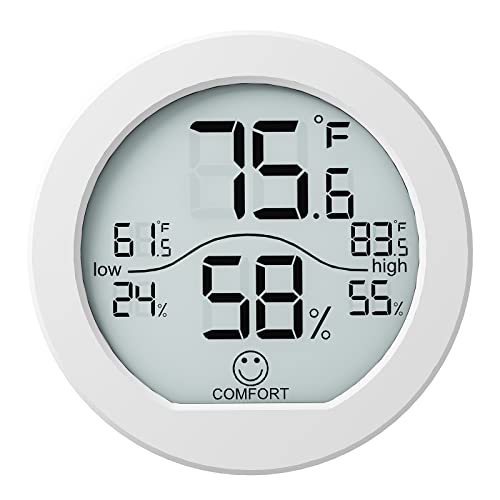
The SECRUI Digital Hygrometer Thermometer is the ideal solution for monitoring room temperature and humidity. This high-accuracy device features a refresh rate of 10 seconds, integrated air comfort indicator, and a compact design. With three installation options, it offers convenience and versatility. The white TH1x1 model includes maximum and minimum records. Customers have praised its reliability, accuracy, and affordability. Some have found the font size and 24-hour temperature accuracy to be areas for potential improvement.
Key Features
- Excellent Result
- High Accuracy
- Adds Data into Context
- Air Comfort Indicator
- 3 Ways to Install
Specifications
- Color: White
- Size: TH1x1
Pros
- Handy and reliable
- Small and affordable
- Accurate and easy to read
Cons
- Font size could be bigger
- 24-hour temperature accuracy
The SECRUI Digital Hygrometer Thermometer is a reliable and affordable choice for monitoring indoor temperature and humidity. Its high accuracy and added features make it a valuable tool for maintaining an optimal living environment. Despite a few minor drawbacks, its performance and value for money make it a worthwhile investment.
Buyer's Guide: Temperature Sensors
What is a Temperature Sensor?
- A temperature sensor is a device that measures the temperature of an object or its surroundings.
Types of Temperature Sensors
- Thermocouples
- Made of two different metals joined together
- Good for high temperature measurements
- Inexpensive and durable
- RTDs (Resistance Temperature Detectors)
- Made of pure metals like platinum
- Accurate and stable
- Used in industries where precise temperature measurements are needed
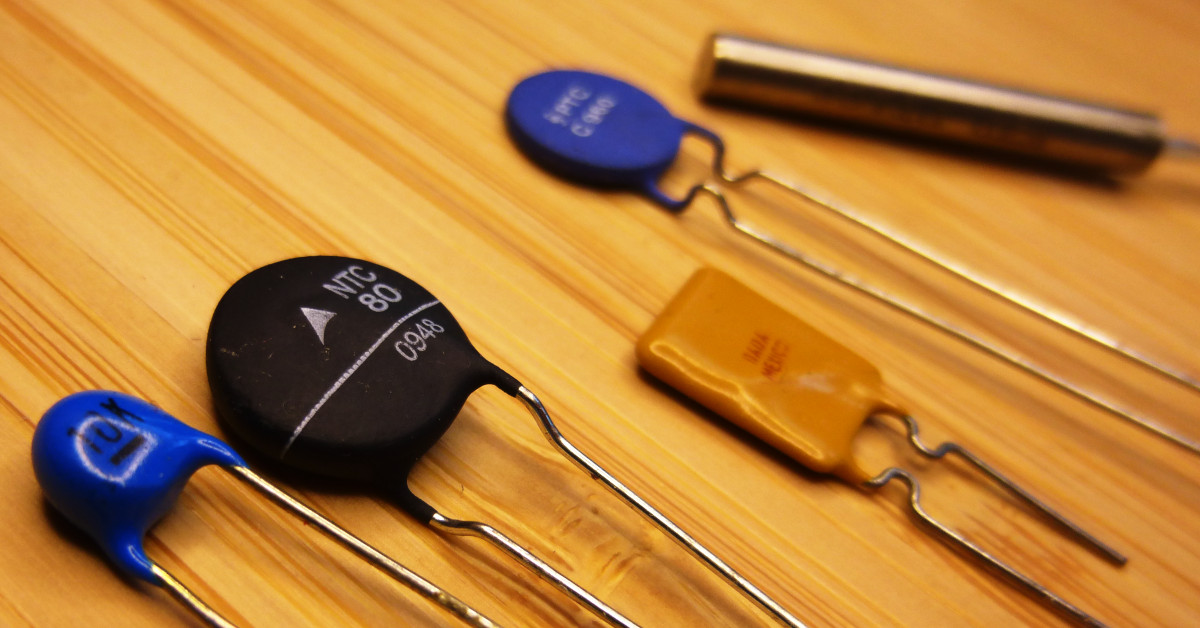
- Thermistors
- Made of ceramic materials
- Good for small temperature changes
- Used in medical devices and automotive applications
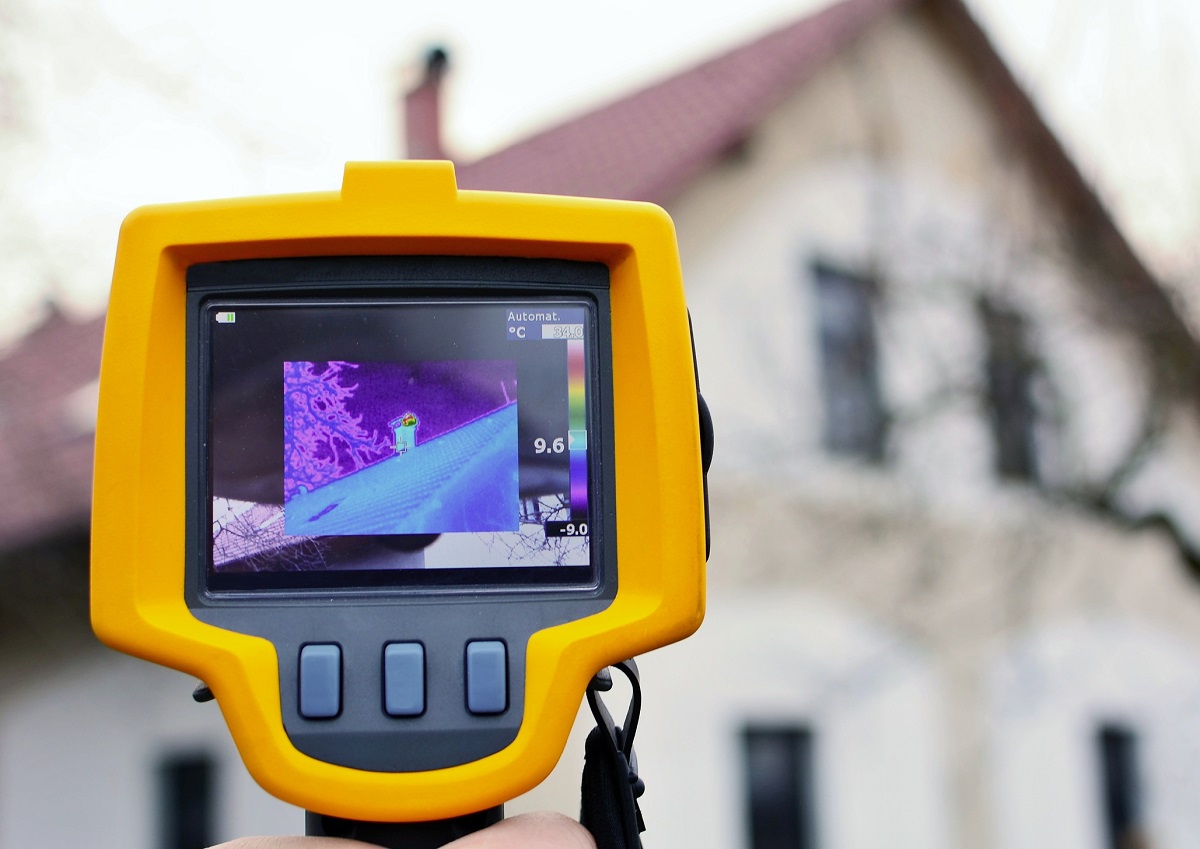
- Infrared Sensors
- Measure temperature by detecting infrared energy emitted by an object
- Non-contact and suitable for moving objects
- Digital Temperature Sensors
- Use digital outputs to communicate temperature
- Small and easy to use
Factors to Consider when Choosing a Temperature Sensor
- Accuracy
- Choose a sensor with the required level of accuracy for your application.
- Temperature Range
- Make sure the sensor can measure the temperature range you need.
- Response Time
- Consider how quickly you need the sensor to detect temperature changes.
- Environment
- If the sensor will be used in harsh conditions, choose a durable and rugged sensor.
- Cost
- Compare the cost of different sensors and choose one that fits your budget.
- Ease of Use
- Consider how easy it is to install and maintain the sensor.
Things to Watch Out for When Using Temperature Sensors
- Calibration
- Regularly calibrate the sensor to ensure accurate measurements.
- Interference
- Be aware of any factors that could interfere with the sensor's accuracy, such as electromagnetic interference.
- Drift
- Some sensors may drift over time, so monitor and adjust as necessary.
- Compatibility
- Ensure the sensor is compatible with your equipment and measurement system.
How to Install and Use a Temperature Sensor
- Placement
- Install the sensor in a location that accurately represents the temperature you want to measure.
- Wiring
- Follow the manufacturer's instructions for wiring the sensor to your measurement system.
- Calibration
- Calibrate the sensor according to the manufacturer's guidelines before use.
- Monitoring
- Regularly monitor the sensor's readings to ensure accuracy.
- Maintenance
- Keep the sensor clean and free from obstructions to maintain accuracy.
Read also: 10 Best Temperature Scales For 2024
Frequently Asked Questions about 10 Best Temperature Sensors For 2024
Temperature sensors work by detecting changes in temperature through various means, such as changes in resistance, voltage, or current. When the temperature changes, the sensor responds and sends a signal to a display or control system.
There are several types of temperature sensors, including thermocouples, resistance temperature detectors (RTDs), thermistors, and infrared sensors. Each type has its own advantages and uses in different applications.
Temperature sensors are used in a wide range of applications, including HVAC systems, automotive engines, medical equipment, and environmental monitoring. They are also used in household appliances such as ovens, refrigerators, and thermostats.
The accuracy of a temperature sensor depends on several factors, including the type of sensor, its calibration, and the conditions in which it is used. Some sensors are highly accurate, with a margin of error of just a few degrees, while others may be less precise.
Yes, some temperature sensors are designed to withstand and measure extreme temperatures, such as those found in industrial processes, space exploration, or extreme weather conditions. These sensors are often made of special materials and are calibrated to provide accurate readings in extreme environments.